
REEF BALLS
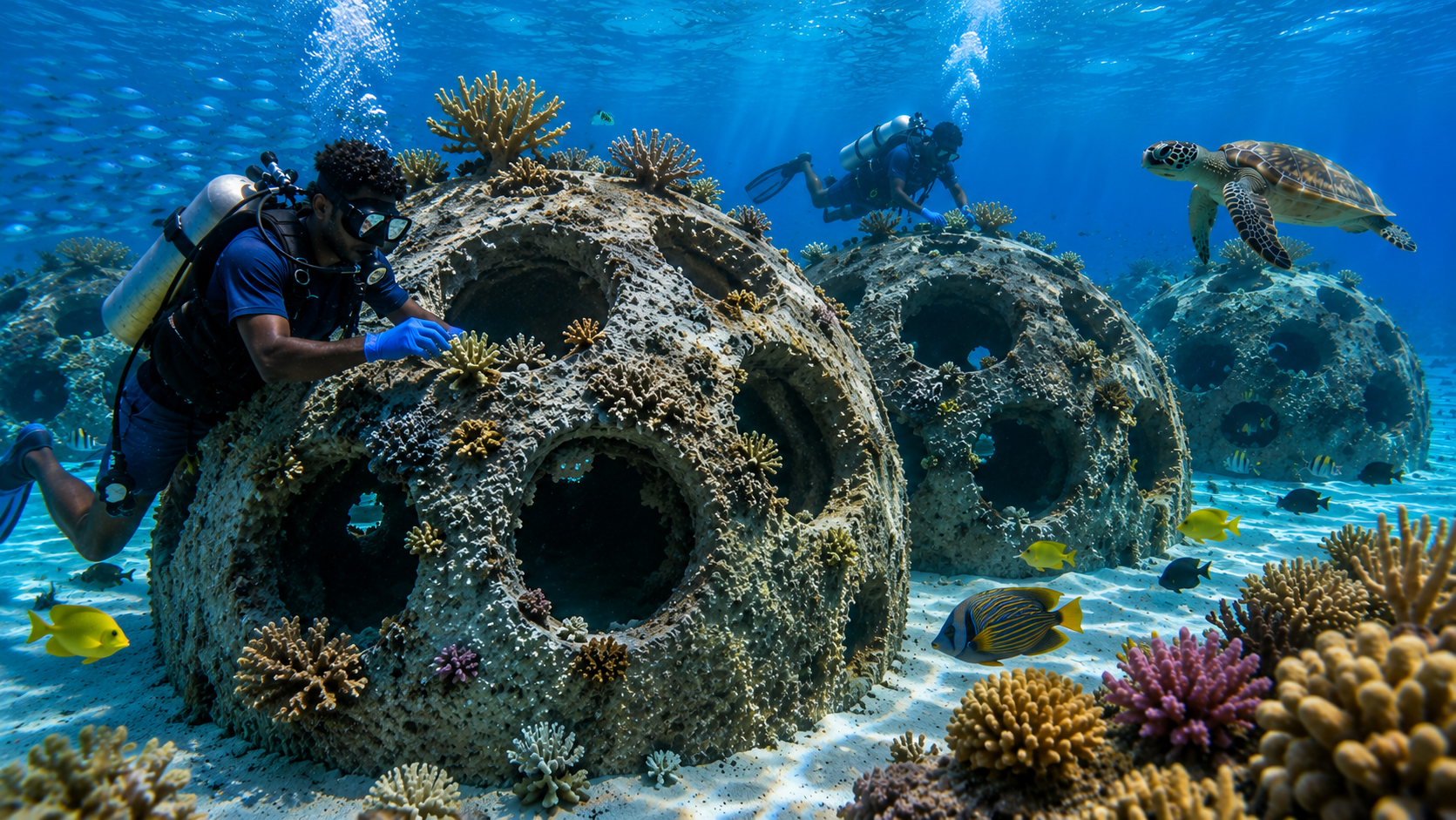
Reef Balls are one of the world's most successful artificial reef technologies, designed to restore marine habitats, enhance fisheries, increase biodiversity and support long-term ocean health. Constructed from specially formulated marine-grade concrete, Reef Balls create complex underwater structures that mimic natural reef systems, providing shelter, feeding opportunities and breeding habitat for a wide range of marine species.
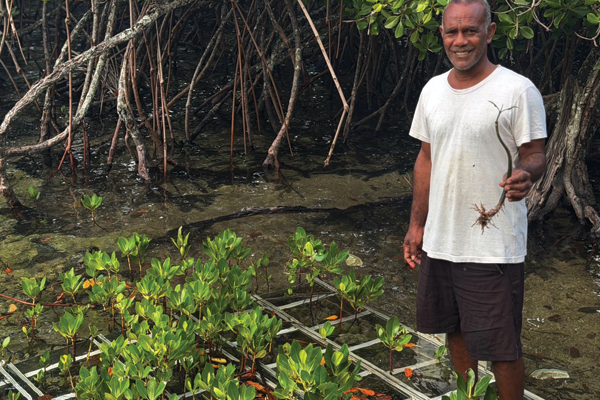
At the Abyss Vanuatu Ocean Institute (AVOI), Reef Balls form a key component of our marine restoration strategy. By combining proven engineering, scientific monitoring and local stewardship, Reef Ball deployments help rebuild degraded marine environments while creating opportunities for sustainable fisheries, eco-tourism and community engagement.
How Reef Balls Are Constructed
Each Reef Ball is manufactured using specialised mould systems and marine-safe concrete designed to withstand the harsh tropical marine environment. Their distinctive dome shape and multiple openings create a variety of habitat spaces that attract fish, crustaceans, molluscs, corals and other marine life.
The rough exterior surface encourages rapid colonisation by corals, algae and reef-building organisms, while the heavy construction ensures long-term stability on the seafloor. Reef Balls can be produced in a variety of sizes depending on the environmental objectives of the project and site conditions.
Selecting the Right Location
Careful site selection is critical to the success of any Reef Ball deployment. AVOI undertakes environmental assessments to identify areas where Reef Balls will provide the greatest ecological benefit while avoiding impacts on healthy coral reefs and other sensitive habitats.
Factors considered during site selection include water depth, substrate stability, current patterns, fisheries values, tourism potential, environmental sensitivities and customary community interests. By combining scientific data with local knowledge, we ensure Reef Ball deployments are both environmentally responsible and community supported.
Deployment and Installation
Once constructed, Reef Balls are transported to the deployment site and carefully positioned using specialised lifting equipment and GPS-guided placement techniques. Modules can be arranged in various configurations depending on the desired outcome, including reef restoration arrays, fisheries enhancement zones, dive attractions, shoreline protection projects and future marine protected area initiatives.
Each deployment is designed to maximise habitat complexity, water flow and ecological function, creating the foundation for thriving marine ecosystems.
Delivering Long-Term Benefits
Reef Balls provide immediate underwater structure and continue to increase in ecological value over time as marine life colonises the modules. Benefits include:
- Enhanced fish habitat and fisheries productivity
- Increased coral recruitment and reef growth
- Improved biodiversity and ecosystem resilience
- New opportunities for eco-tourism and recreational diving
- Support for marine conservation and restoration objectives
- Improved climate resilience and coastal protection
- Creation of local employment and training opportunities
Monitoring, Research and Stewardship
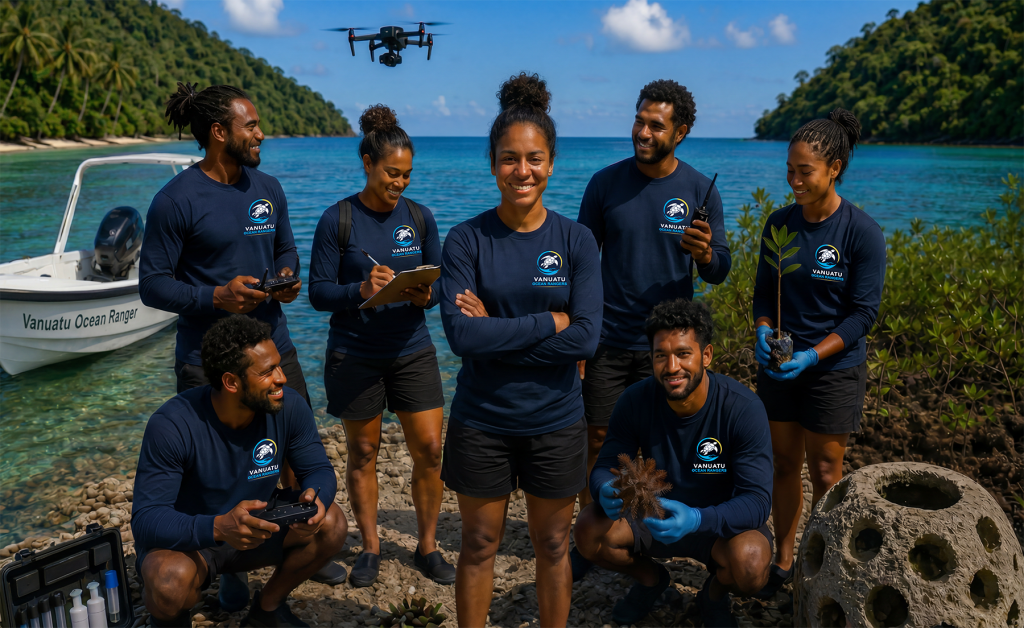
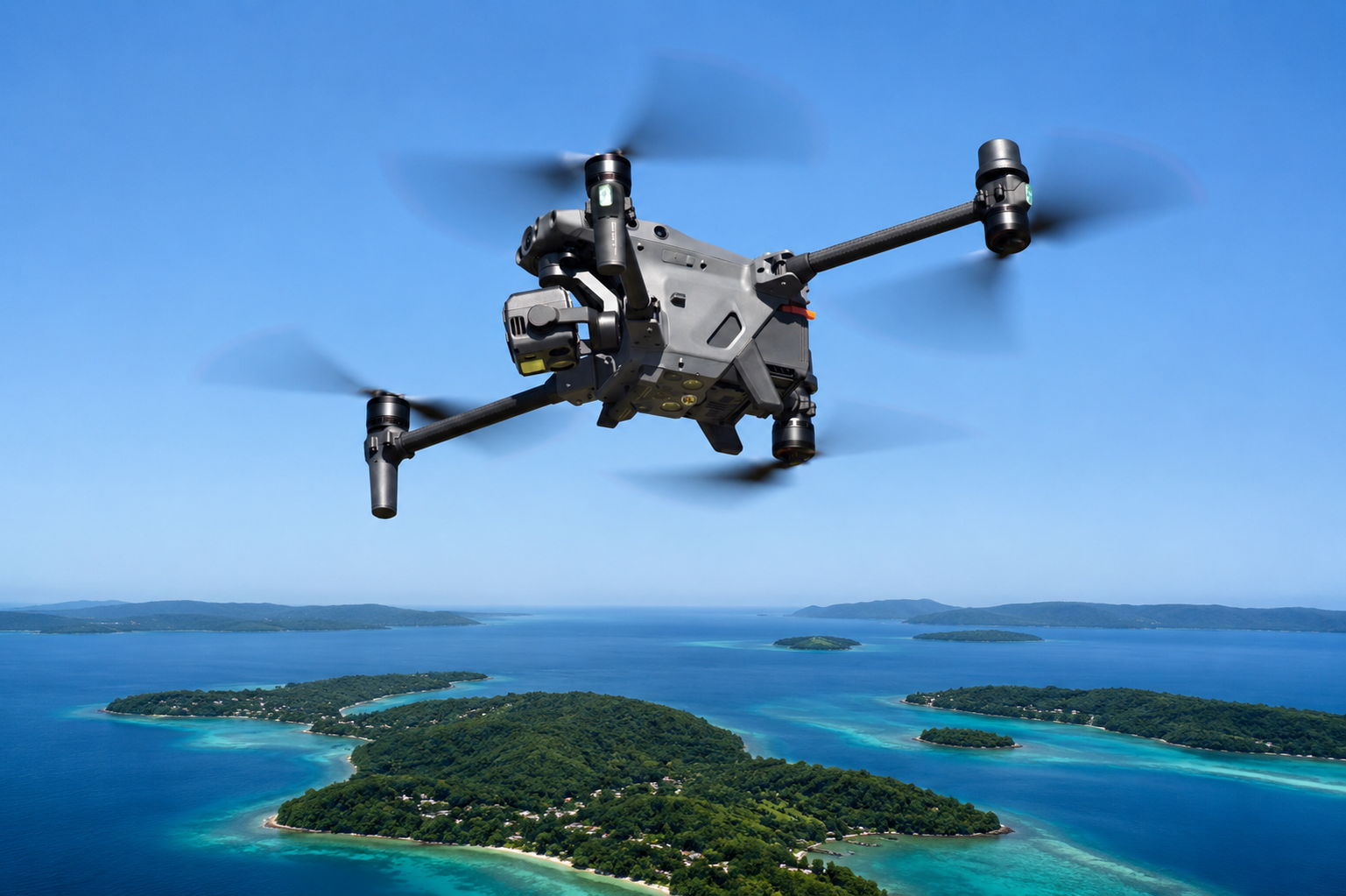
Every Reef Ball deployment is supported by ongoing monitoring and adaptive management. Through the Vanuatu Ocean Ranger Program, AVOI combines local stewardship, kastom knowledge, scientific surveys and emerging technologies such as drones and underwater monitoring systems to track ecological outcomes and ensure long-term success.
By integrating restoration, research, community engagement and sustainable development, Reef Balls represent a practical and scalable solution for restoring Vanuatu's marine environments while supporting the nation's blue economy for generations to come.