
Mangrove Monitoring & Restoration
Mangroves are one of the most important ecosystems in the Pacific. They protect coastlines from erosion and storm surge, provide nursery habitat for fish and marine life, store blue carbon, improve water quality and support the livelihoods of coastal communities. At AVOI, our mangrove programs combine kastom knowledge, local stewardship, scientific monitoring and practical restoration to deliver measurable environmental outcomes.
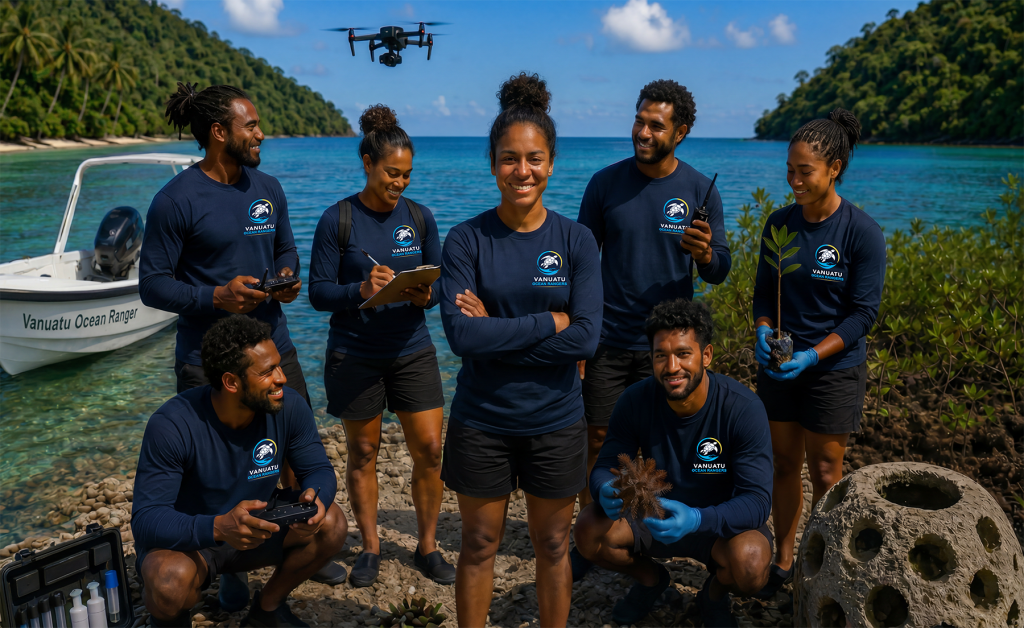
Our multidisciplinary team of ecologists, marine biologists, researchers, drone pilots, data scientists, environmental project managers and Vanuatu Ocean Rangers works with communities, governments, NGOs, universities, colleges and research organisations to design and deliver mangrove projects that are locally supported, scientifically informed and built for long-term success.
Mangrove Monitoring & Environmental Assessment
AVOI undertakes detailed mangrove monitoring and condition assessments to understand ecosystem health, species diversity, canopy cover, recruitment, sediment condition, tidal flow, coastal erosion and environmental threats.
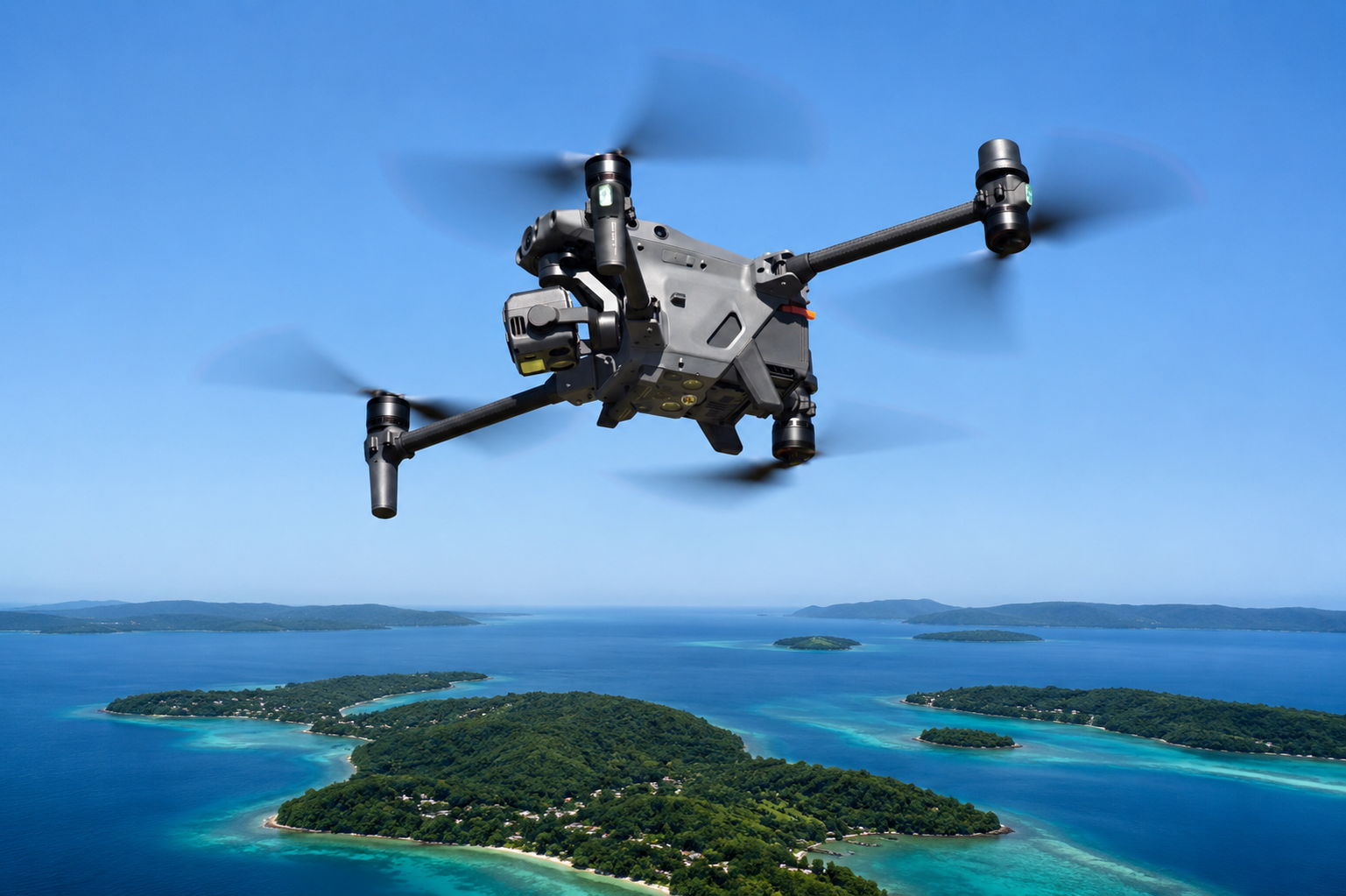
Using drone surveys, GIS mapping, field assessments, water quality monitoring, biodiversity surveys and community observations, we establish ecological baselines and track changes over time. This information helps guide restoration planning, climate resilience strategies, coastal management and environmental impact assessments.
Mangrove Cultivation & Nursery Development
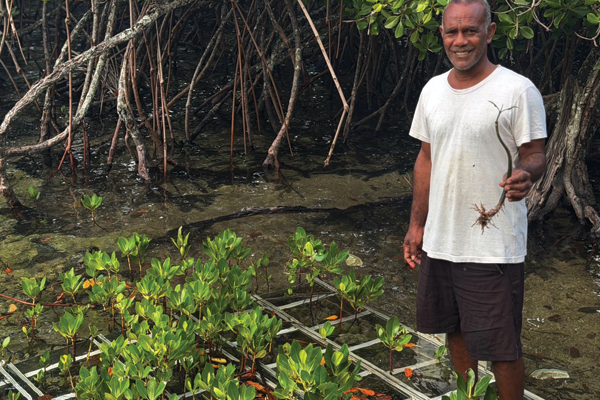
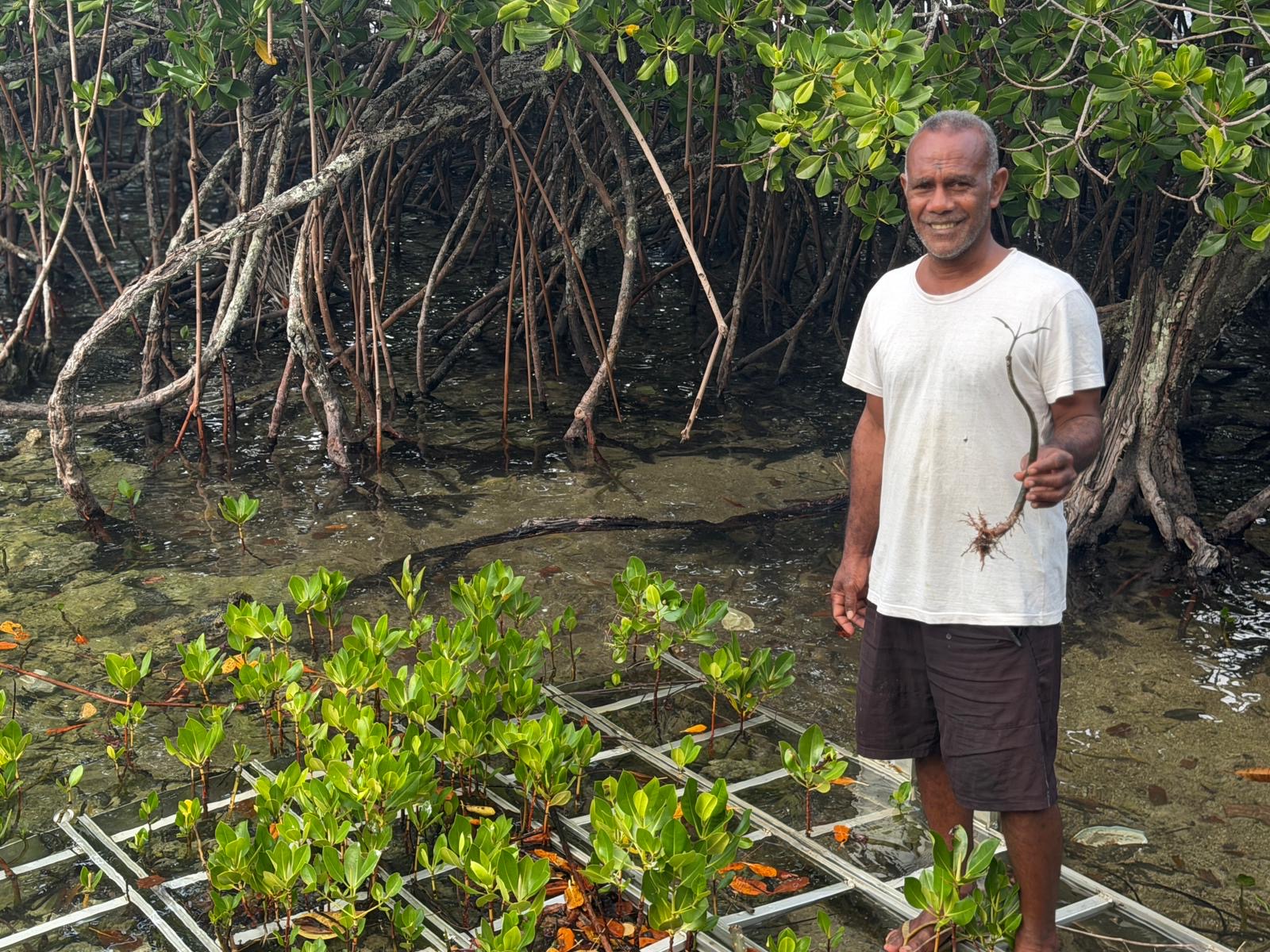
Successful mangrove restoration begins with the right species, the right site and the right community support. AVOI supports mangrove propagation, seed collection, nursery development and cultivation programs designed to grow healthy local mangrove stock for future restoration projects.
By working with local communities and Ocean Rangers, we help build practical skills in seed collection, nursery management, seedling care, site preparation and long-term maintenance. This creates local employment, strengthens environmental knowledge and ensures restoration programs remain community-led.
Mangrove Restoration & Coastal Resilience
AVOI designs and delivers mangrove restoration programs that improve coastal stability, enhance fish habitat, increase biodiversity and support climate change adaptation. Restoration may include replanting degraded areas, improving tidal flow, stabilising shorelines, removing threats, monitoring survival rates and supporting natural regeneration.
Our approach focuses on long-term outcomes rather than one-off planting events. Each project is supported by monitoring, maintenance and adaptive management to ensure mangrove survival, ecosystem recovery and measurable environmental benefits.
Supporting Blue Carbon, Fisheries & Biodiversity
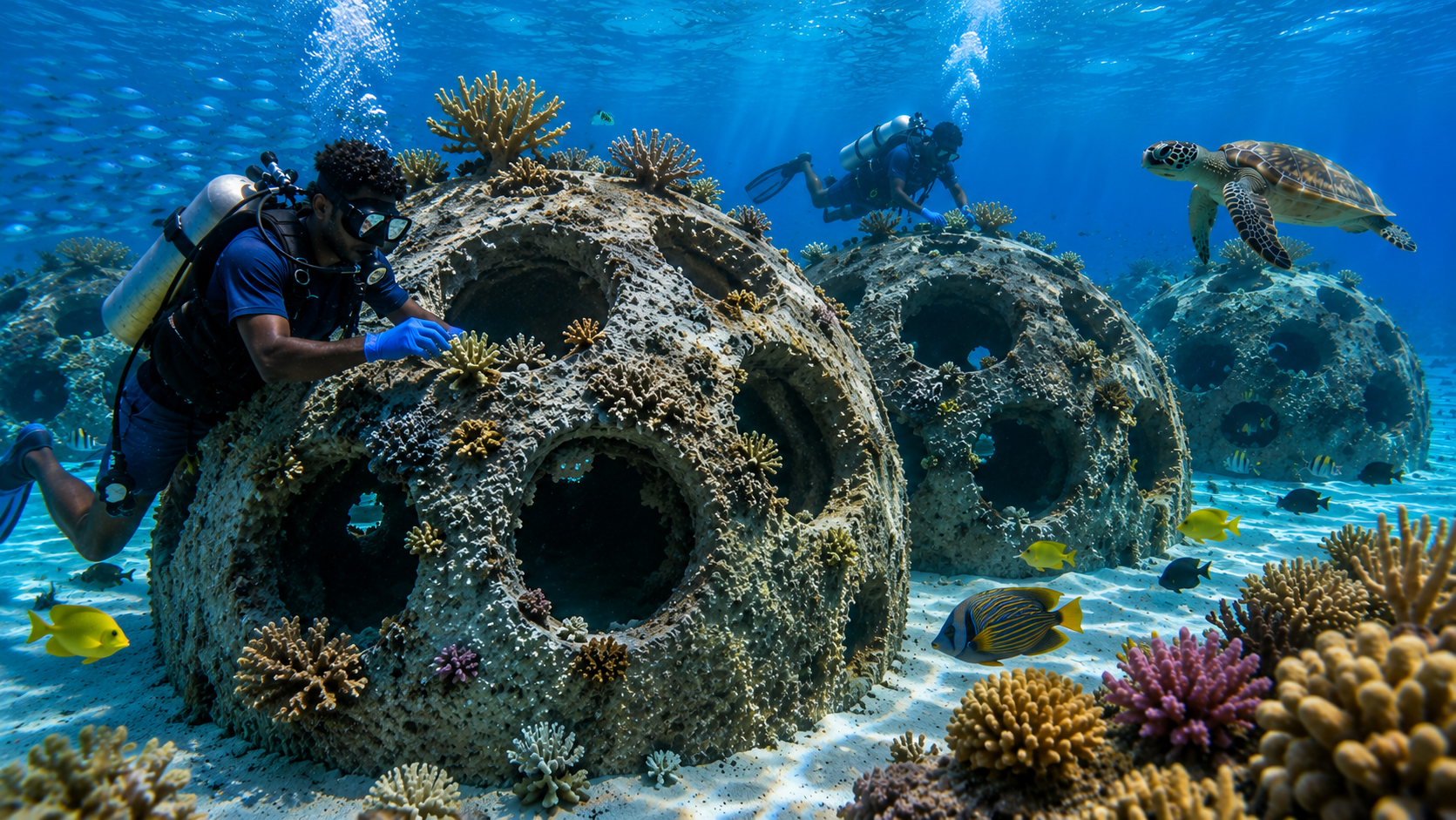
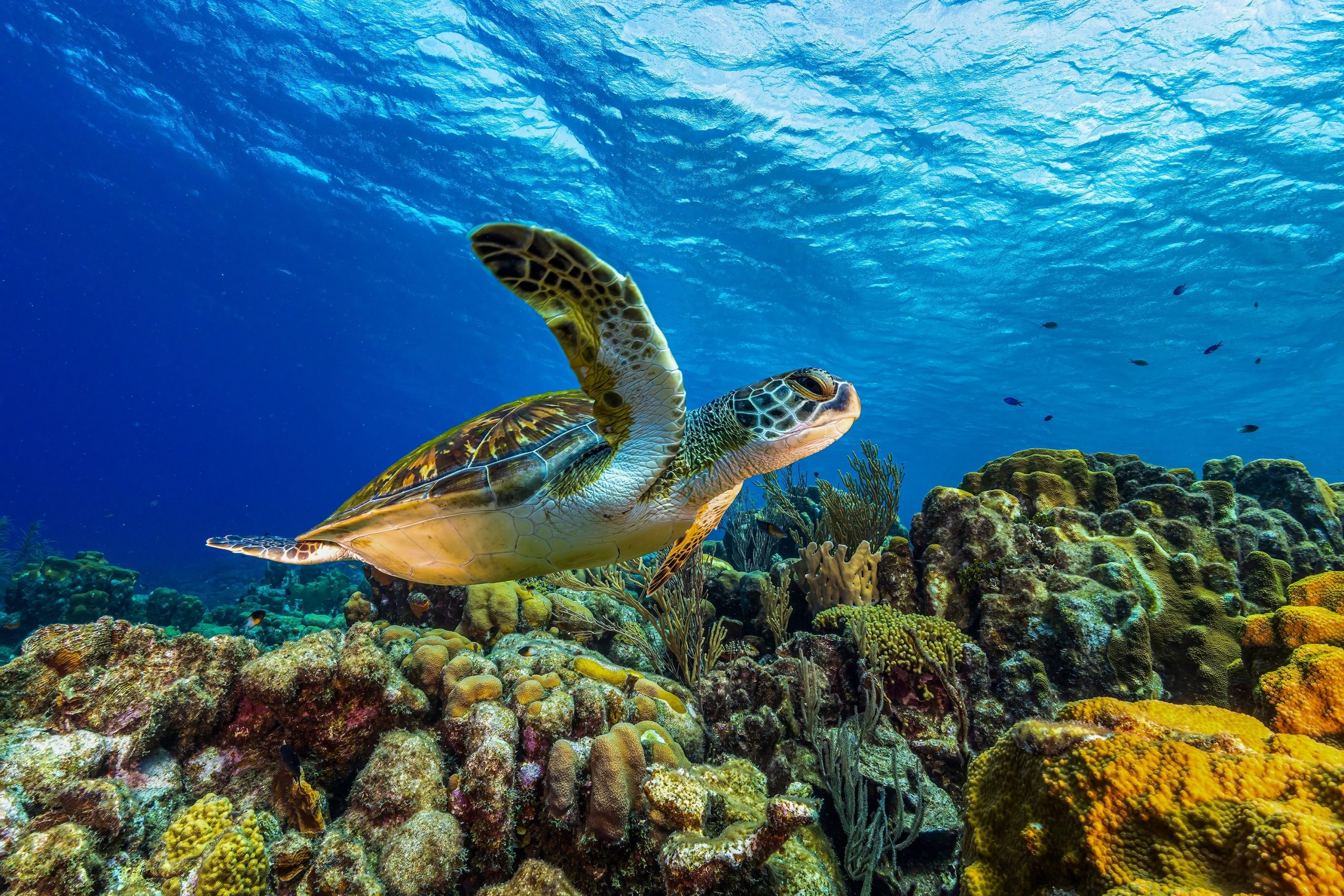
Mangrove ecosystems play a vital role in blue carbon storage, fisheries productivity and biodiversity protection. Healthy mangroves provide breeding and nursery habitat for fish, crabs, prawns, molluscs, birds, reptiles and other wildlife, while also helping buffer coastal communities from extreme weather events.
Through integrated monitoring and restoration, AVOI helps communities and partners understand the ecological, cultural and economic value of mangroves while creating practical pathways for protection, rehabilitation and sustainable management.
Community-Led Mangrove Stewardship
Through the Vanuatu Ocean Ranger Program, local people play a central role in mangrove monitoring, cultivation and restoration. Ocean Rangers help collect data, support nursery operations, undertake planting activities, monitor restoration success and engage communities in long-term coastal stewardship.
By combining kastom knowledge with modern science and technology, AVOI is helping build a new model for mangrove restoration in Vanuatu—one that protects coastal ecosystems, strengthens climate resilience and empowers communities to lead the future of environmental management.